Binoculars for stargazing: what to buy and what to look at
A pair of 7x50 or 10x50 binoculars shows the craters of the Moon, the moons of Jupiter, dozens of star clusters and the Andromeda Galaxy, for a fraction of the cost of a telescope.
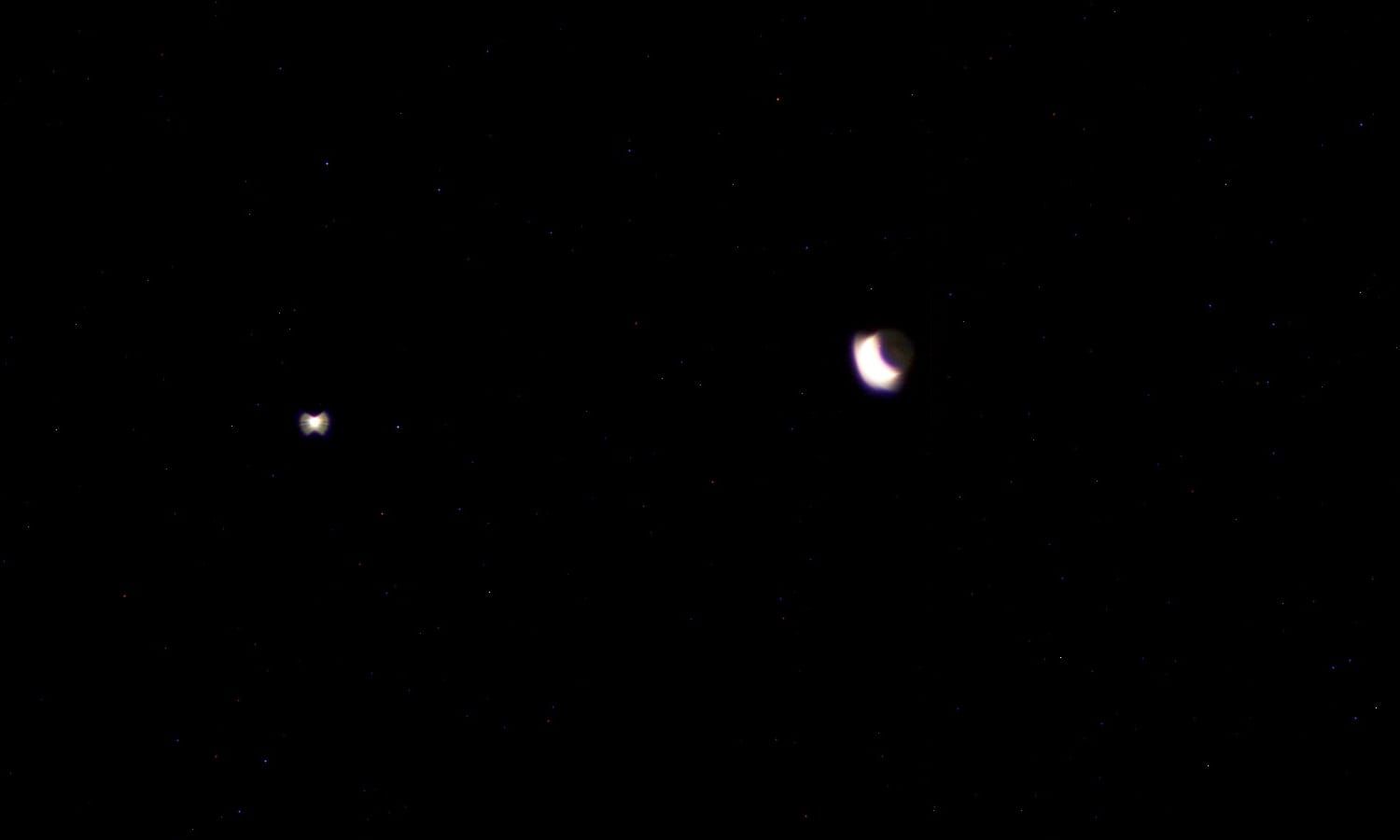
Binoculars are cheap, portable, show a wide field of view that makes objects easy to find, and use both eyes, which is comfortable and shows faint objects better. NASA’s Night Sky Network calls them “a great first telescope”.
Choosing a pair
- Size: the network recommends specifications from 7x35 to 10x50 for a first pair. 7x50 binoculars give a bright image and are easy to hold. 10x50 binoculars show a little more detail at the cost of a narrower field and more shake.
- Not too powerful: they advise against anything much more powerful than 10x50 at first. Higher magnifications are hard to hold steady and are better mounted on a tripod, or bought with image stabilisation.
- Design: porro-prism binoculars (the classic offset shape) are heavier but give wider views for the money, while roof-prism binoculars are compact. Try both if you can, for example at an astronomy club’s star party.
- Comfort: if you wear glasses, look for long eye relief. Adjustable eyecups help.
What to look at
The Moon. The best target for a first night. Good binoculars show craters around 10 km across and larger, the dark lunar seas, and along the terminator (the line between day and night) mountains casting long shadows. The crescent and quarter phases show more relief than the full Moon. The Moon page gives tonight’s phase and the age of the Moon.
Jupiter and its moons. Jupiter is a bright, steady point. Hold the binoculars steady, or rest them on something, and with practice you can spot up to four tiny points in a line beside it: the Galilean moons Io, Europa, Ganymede and Callisto, which change position from night to night.
Venus and Mercury. Venus shows a tiny phase at 10x when it is a crescent. Mercury is a challenge low in twilight. See how to find the planets.
Star clusters. Open clusters are the best binocular targets of all. The Pleiades (M45) in Taurus turn from a small misty patch into dozens of blue-white stars. The Hyades around Aldebaran, the Double Cluster in Perseus, the Beehive (M44) in Cancer and the clusters along the summer Milky Way in Scorpius and Sagittarius are all easy.
Nebulae. From a dark site, the Orion Nebula (M42) below Orion’s belt is a grey glow with a bright core, and the Lagoon Nebula (M8) in Sagittarius is a soft patch in a rich star field.
Galaxies. From dark skies the Andromeda Galaxy (M31) is an elongated glow larger than the Moon, and its core is visible even from the suburbs. Under a truly dark sky the Triangulum Galaxy (M33) is a faint oval.
The Milky Way. Sweeping slowly along it shows thousands of stars, dark lanes and knots of clusters. Nothing in a telescope matches that view.
Comets and the Moon’s earthshine. Bright comets are usually binocular objects: a fuzzy round patch with a brighter centre, see how to observe a comet. A few days after new Moon, the dark part of the crescent is faintly lit by earthshine, sunlight reflected from Earth.
Tips
- Sit back in a reclining chair. Holding binoculars up for long is tiring and shaky.
- Brace your elbows on your knees, or rest the binoculars on a wall or a monopod.
- Give your eyes about 20 minutes to adapt to the dark, and keep screens dim (the site’s night-vision theme is red for this reason).
- Learn a few signposts first. The constellation guide shows how.
- Never point binoculars at the Sun. For solar eclipses use certified filters only. See solar eclipse safety.
Sources
- NASA Night Sky Network: Binoculars, A Great First Telescope (recommended specifications, what the numbers mean, crater size, targets)
- Object positions and visibility on this site: Astronomy Engine and the OpenNGC catalogue (see data sources)
Frequently asked questions
What do the numbers on binoculars mean?
The first number is the magnification, the second the diameter of the front lenses in millimetres. A 10x50 magnifies ten times through 50 mm lenses. Bigger lenses gather more light and show fainter objects. Higher magnification shows more detail but is harder to hold steady.
Which binoculars are best for astronomy?
NASA's Night Sky Network recommends a range from 7x35 to 10x50 to start with, and advises against anything much more powerful than 10x50 as a first pair, because higher powers jiggle too much in the hands unless they are mounted on a tripod or have image stabilisation.
Can I see Saturn's rings in binoculars?
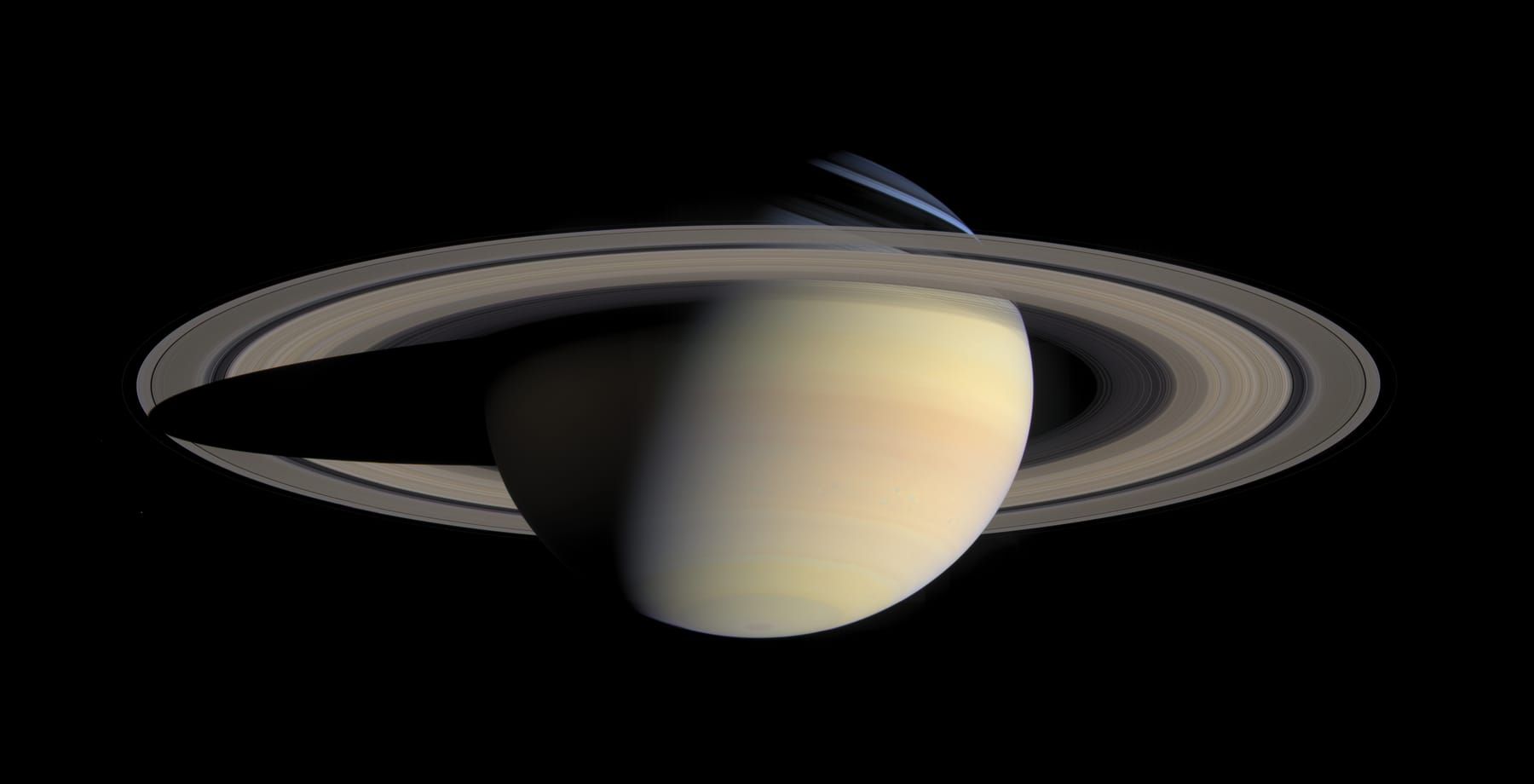
Not as rings. At 10x Saturn looks like a slightly oval star. The rings need about 25x or more, which means a telescope or very large mounted binoculars.