Solar and lunar eclipses
From 2026 to 2035 there are 22 solar and 23 lunar eclipses. Types follow NASA’s eclipse tables. Times are the moment of greatest eclipse in UTC.
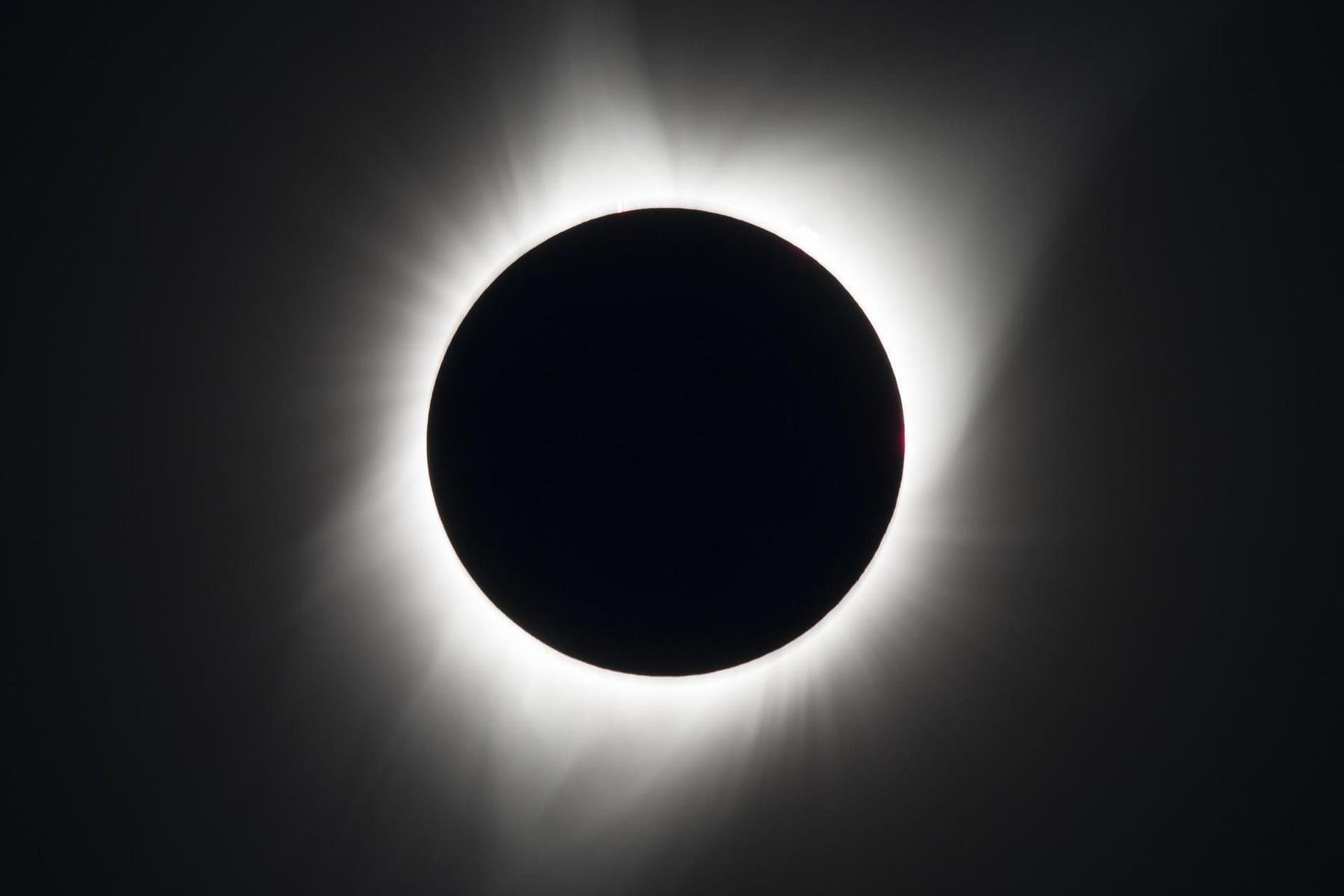
Solar eclipses
| Date | Type | Greatest eclipse |
|---|---|---|
| February 17, 2026 | Annular | 12:12 UTC |
| August 12, 2026 | Total | 17:46 UTC |
| February 6, 2027 | Annular | 16:00 UTC |
| August 2, 2027 | Total | 10:07 UTC |
| January 26, 2028 | Annular | 15:08 UTC |
| July 22, 2028 | Total | 02:55 UTC |
| January 14, 2029 | Partial | 17:12 UTC |
| June 12, 2029 | Partial | 04:05 UTC |
| July 11, 2029 | Partial | 15:36 UTC |
| December 5, 2029 | Partial | 15:03 UTC |
| June 1, 2030 | Annular | 06:28 UTC |
| November 25, 2030 | Total | 06:50 UTC |
| May 21, 2031 | Annular | 07:15 UTC |
| November 14, 2031 | Hybrid | 21:06 UTC |
| May 9, 2032 | Annular | 13:25 UTC |
| November 3, 2032 | Partial | 05:33 UTC |
| March 30, 2033 | Total | 18:01 UTC |
| September 23, 2033 | Partial | 13:53 UTC |
| March 20, 2034 | Total | 10:17 UTC |
| September 12, 2034 | Annular | 16:18 UTC |
| March 9, 2035 | Annular | 23:05 UTC |
| September 2, 2035 | Total | 01:55 UTC |
Lunar eclipses
| Date | Type | Greatest eclipse |
|---|---|---|
| March 3, 2026 | Total | 11:34 UTC |
| August 28, 2026 | Partial | 04:13 UTC |
| February 20, 2027 | Penumbral | 23:13 UTC |
| July 18, 2027 | Penumbral | 16:03 UTC |
| August 17, 2027 | Penumbral | 07:14 UTC |
| January 12, 2028 | Partial | 04:13 UTC |
| July 6, 2028 | Partial | 18:20 UTC |
| December 31, 2028 | Total | 16:52 UTC |
| June 26, 2029 | Total | 03:22 UTC |
| December 20, 2029 | Total | 22:42 UTC |
| June 15, 2030 | Partial | 18:33 UTC |
| December 9, 2030 | Penumbral | 22:28 UTC |
| May 7, 2031 | Penumbral | 03:51 UTC |
| June 5, 2031 | Penumbral | 11:44 UTC |
| October 30, 2031 | Penumbral | 07:45 UTC |
| April 25, 2032 | Total | 15:13 UTC |
| October 18, 2032 | Total | 19:02 UTC |
| April 14, 2033 | Total | 19:13 UTC |
| October 8, 2033 | Total | 10:55 UTC |
| April 3, 2034 | Penumbral | 19:06 UTC |
| September 28, 2034 | Partial | 02:46 UTC |
| February 22, 2035 | Penumbral | 09:05 UTC |
| August 19, 2035 | Partial | 01:11 UTC |
Times calculated with Astronomy Engine. Eclipse types and reference predictions from NASA · Methodology
How to use this page
The page lists the coming solar and lunar eclipses with their dates and where they can be seen. Open an eclipse for local times, maps and how much of it you will see from your place.
Frequently asked questions
How often are there eclipses?
Every year has at least four, two solar and two lunar, but each is visible only from part of Earth.
Is it safe to look at a solar eclipse?
Only with certified eclipse glasses or a proper solar filter, except during the brief moment of totality. Sunglasses are not safe.
Why is a lunar eclipse red?
Sunlight bent through Earth’s atmosphere still reaches the Moon. The air scatters blue light away, so the light that remains is red, as at sunset.