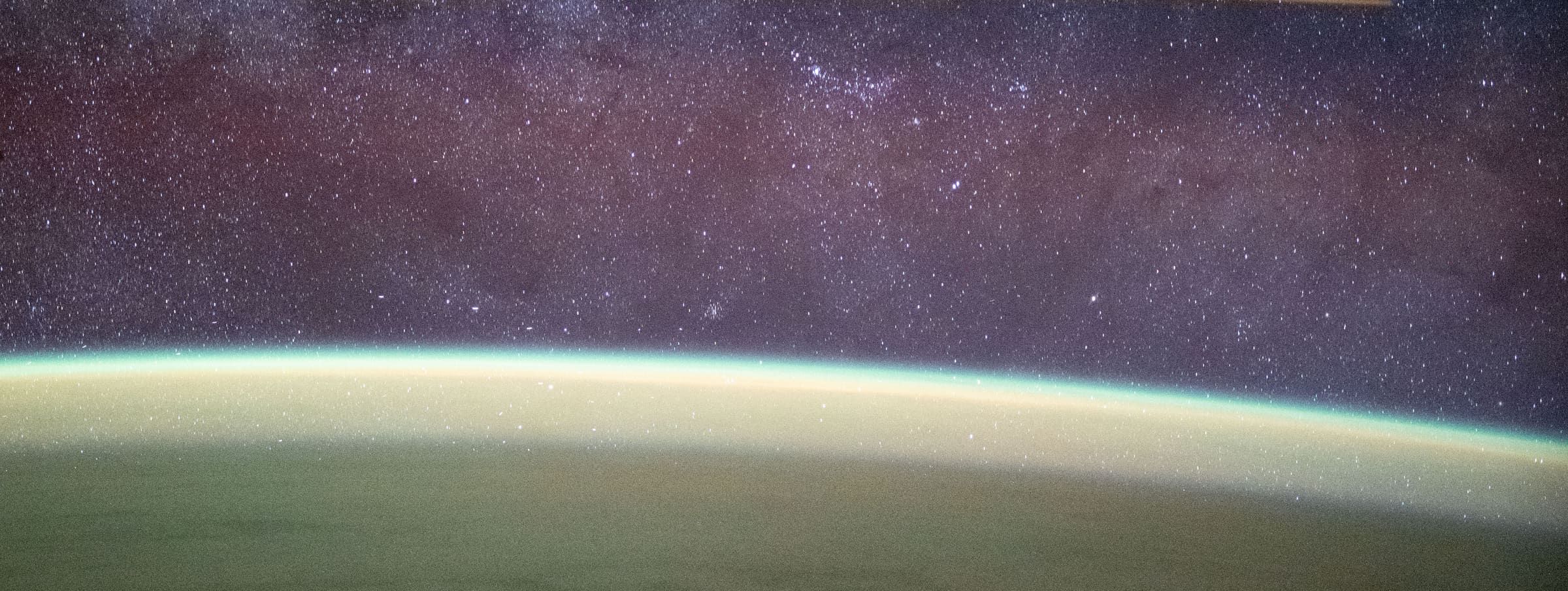
What can you see in the sky tonight?
Your local guide to the night sky
Planets, the Moon, darkness times and coming sky events for your location, calculated precisely and shown in 3D.
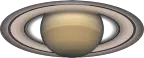
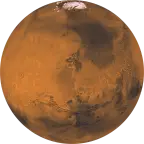
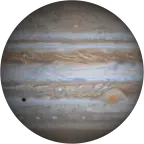
On the night of November 2 – 3 in New York the Sun sets at 4:51 PM and the sky is fully dark from 6:24 PM to 4:56 AM (10 h 32 min). Planets easy to see with the naked eye: Mars, Jupiter, and Saturn.
Tonight’s highlights
Visible planets
All planets- The Moon tonight Waning crescent 35% lit Highest 6:21 AM Rises 12:26 AM More about the Moon
- Close approach Moon near Regulus Best around 5:51 AM 2.0° apart
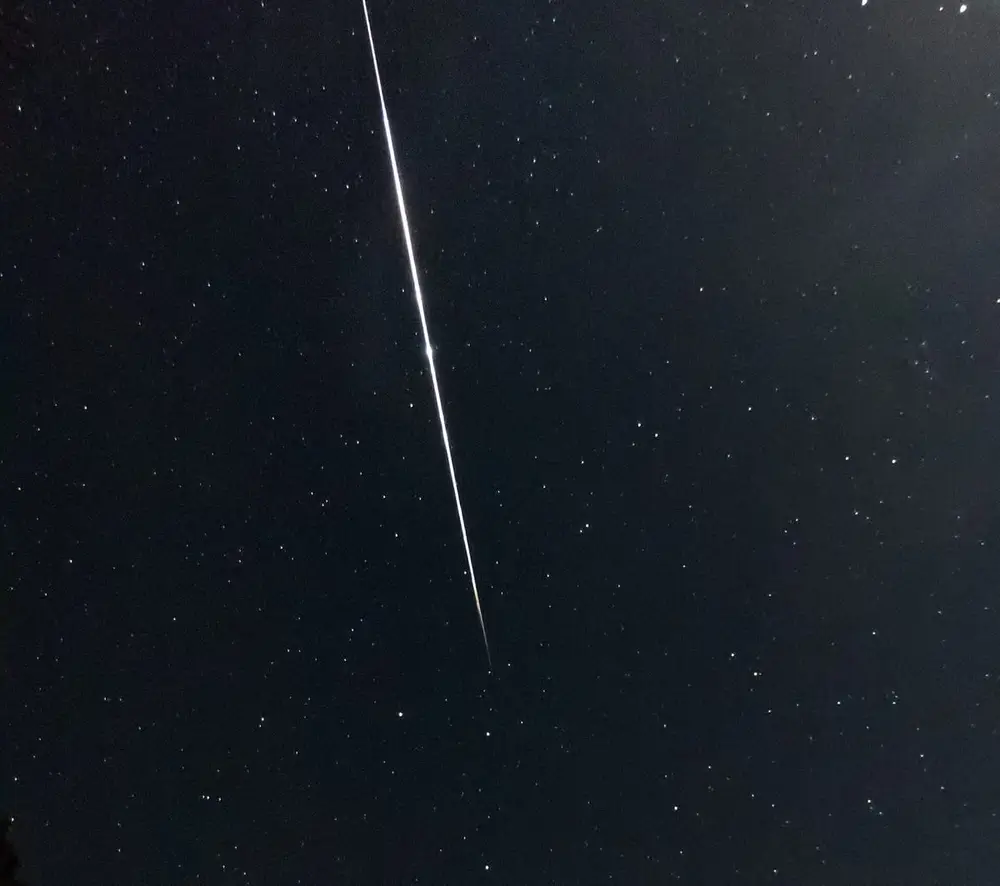
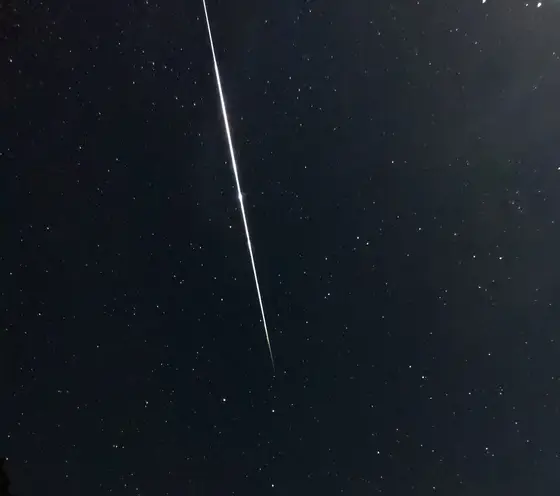 Meteor showerPeak Nov 4 – 5 Southern Taurids Best around 12:31 AM Dark and moonless: 6 h 3 min
- Meteor showerPeak Nov 11 – 12 Northern Taurids Best around 12:31 AM Dark and moonless: 6 h 3 min
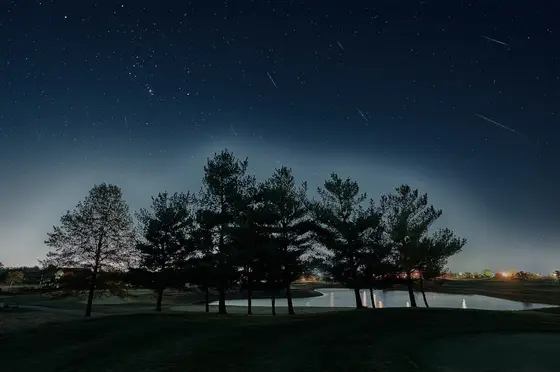 Meteor showerPeak Oct 21 – 22 Orionids Best around 4:11 AM Dark and moonless: 3 h 20 min
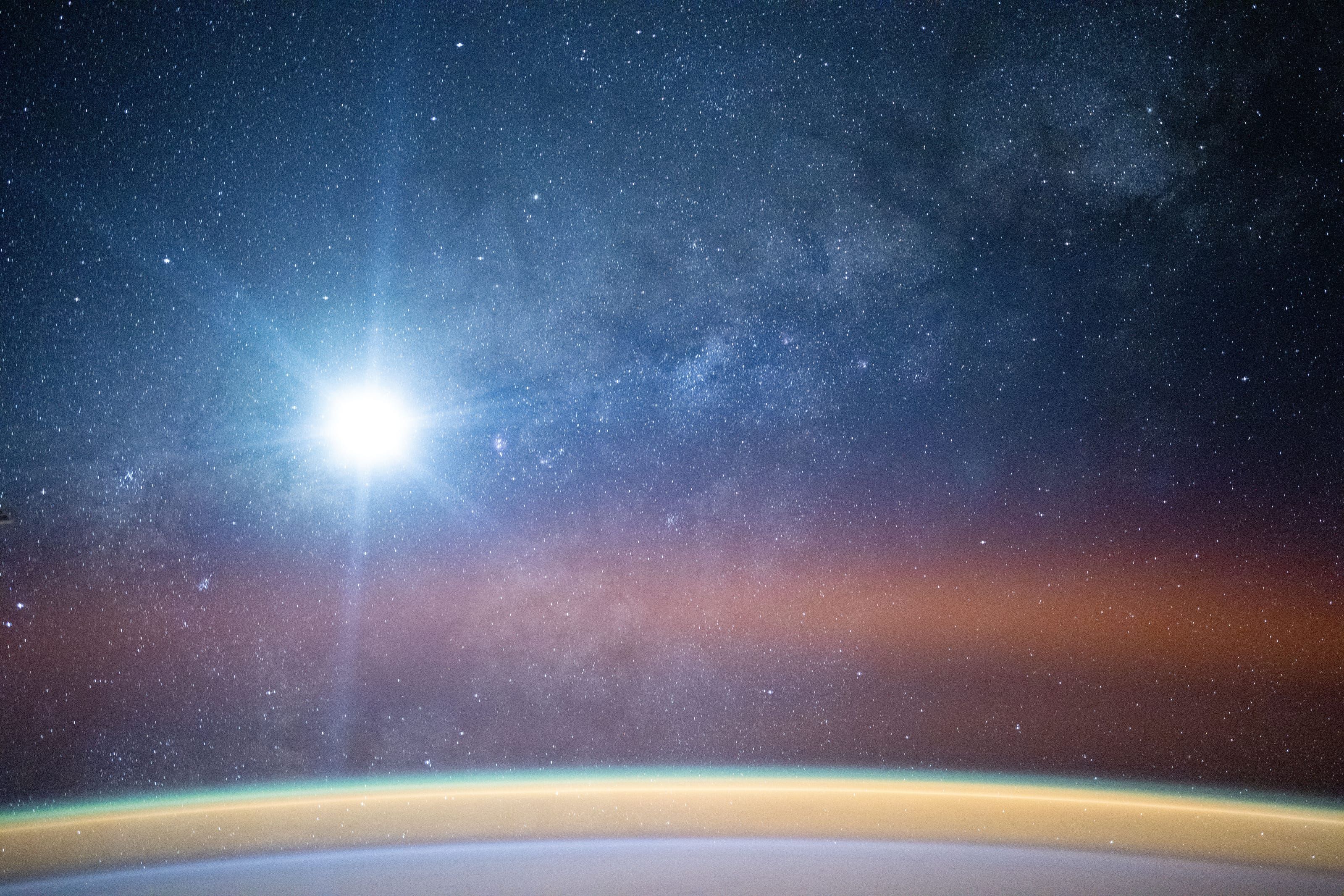
The sky tonight in 3D
Explore: The sky tonight in 3DThe sky over New York right now. Drag to look around, find an object, or press play to run the night through.
Choose what to look at
Find something in the sky
Loading 3D view...
Drag to look around, pinch or scroll to zoom.
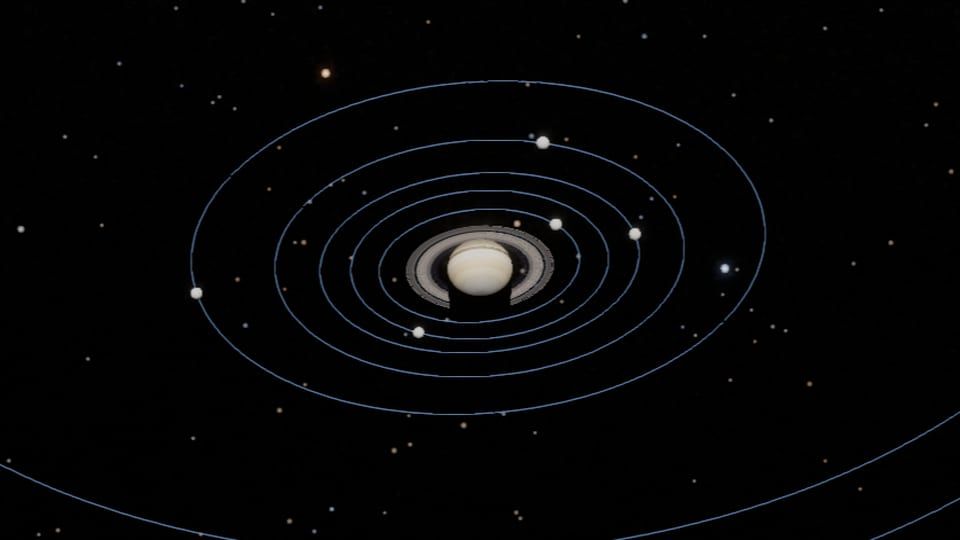
The solar system today
Explore: The solar system todayWhere the planets, Pluto and the large moons are on their orbits right now. Press play to run time forward, or tap a body to follow it.
Loading 3D view...
Not to scale: distances are compressed and the bodies enlarged so the planets and Pluto fit on screen.
More in 3D
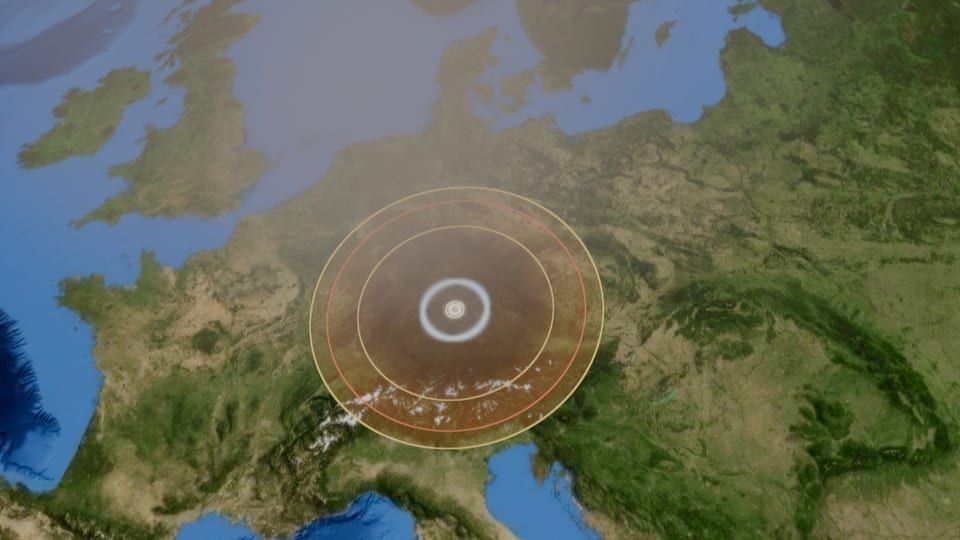
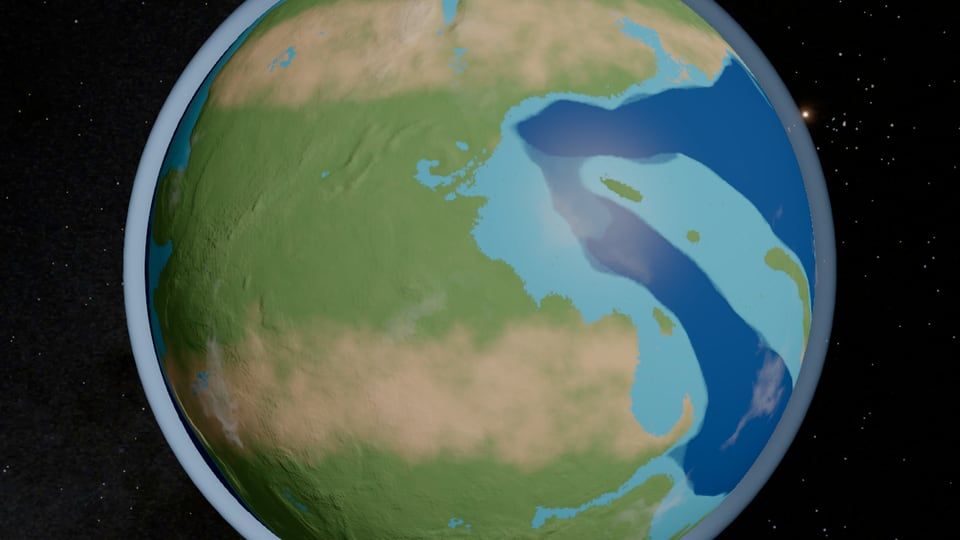
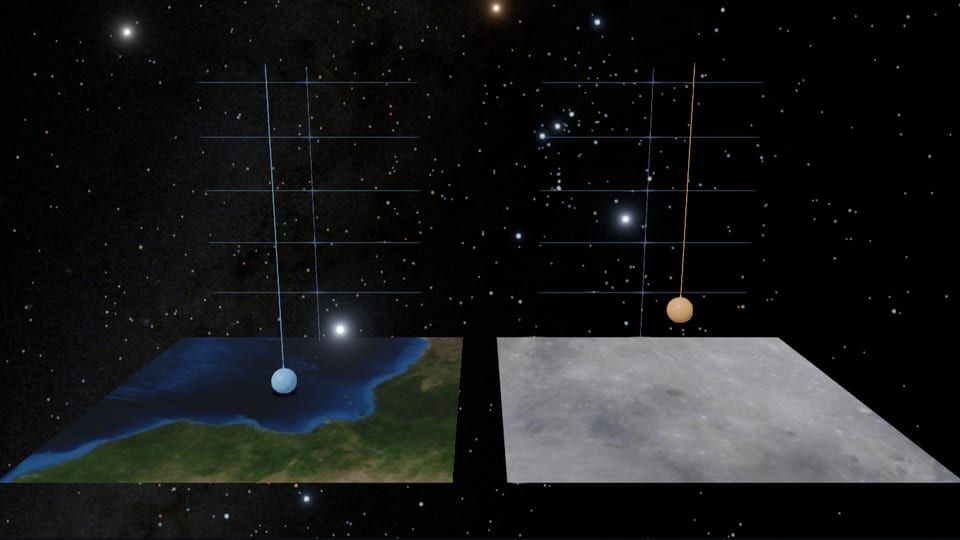
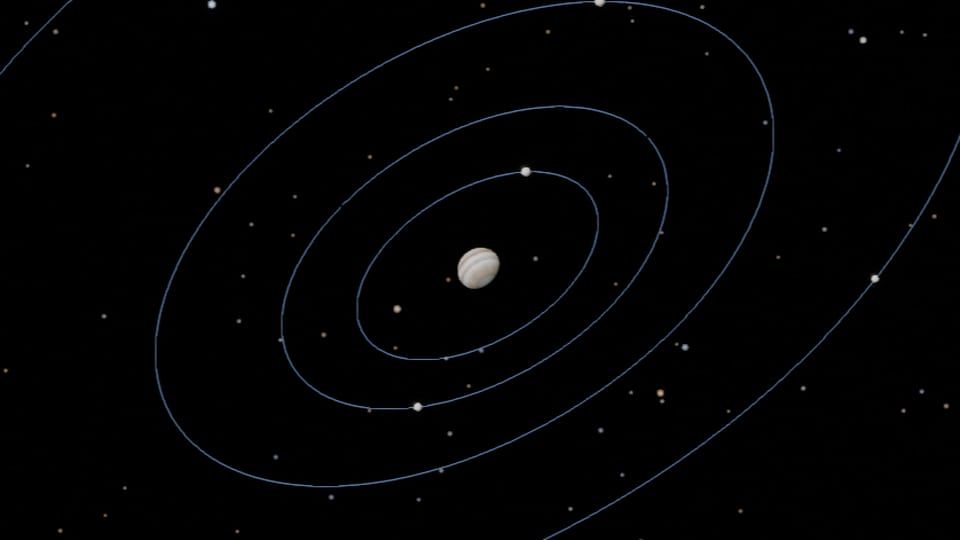
Coming up in the sky
All eventsFull and new Moons, eclipses, meteor shower peaks, equinoxes and solstices, and planet events such as oppositions and close pairings, with the time in New York.
How big are the planets?
Explore: How big are the planets?The eight planets drawn to the same scale. Choose one to compare it with the others.
Choose a world to compare it with the others. Sizes are to scale, the gaps between the worlds are not.
From an astronaut to the observable universe
Explore: From an astronaut to the observable universeZoom out through 72 objects, each drawn to scale beside the one before it.
Astronaut
1.9 m
Bruce McCandless in 1984, the first astronaut to fly free in space without a tether. The size is that of the tallest astronaut NASA’s spacewalk suit is made to fit.
Click or touch the picture, then scroll or drag sideways. The slider and the arrow keys on it work too. Click an object to go to it, and the centred one to open its page.
Explore
Browse every pageThe night sky, the events worth planning for and the tools to plan a night out, for any place and date.
The sky
What is up there?
Planets, the Moon and the Sun, stars and constellations, deep-sky objects, comets, satellites and aurora, each with where to find it.
See allSky events
What is coming up?
Moon phases, eclipses, meteor showers and planet events, with the exact time for your place.
See allTools
Plan your night
Tonight’s sky, what is visible right now, the best nights for any target, cloud maps and the 3D views.
See all
Tonight in popular cities
All citiesWhen it gets dark, which planets are up and what the Moon is doing tonight in cities around the world.
Understand the night sky
All guidesShort guides to finding planets, reading the Moon, watching meteors and eclipses safely.
- How to find planets in the night skyFive planets are easy to see with the naked eye. Here is where to look, when, and how to recognise them.
- Moon phases explainedThe Moon is always half lit by the Sun. What changes is how much of that lit half we see from Earth.
- How to watch a meteor showerNo equipment needed: a dark sky, patience and the right hours after midnight.
- How to learn the constellationsStart with one bright pattern you cannot miss, use it as a signpost to its neighbours, and come back a month later: the sky will have turned, and you will know a little more of it.
- Binoculars for stargazing: what to buy and what to look atA pair of 7x50 or 10x50 binoculars shows the craters of the Moon, the moons of Jupiter, dozens of star clusters and the Andromeda Galaxy, for a fraction of the cost of a telescope.
- How to watch a solar eclipse safelyNever look at the Sun without a proper solar filter, except during totality. Here is how to watch safely.
Why Astrotempo
Checked against NASA and USNO
Every release is checked against NASA JPL Horizons, the US Naval Observatory and NASA’s eclipse tables: our positions and times must agree before the site goes live.
Every number has a source
Values are calculated with an open-source astronomy library or taken from named data sources, credited on each page.
Made for phones at night
Fast pages, large text and a dark design that keeps your eyes adjusted to the dark.