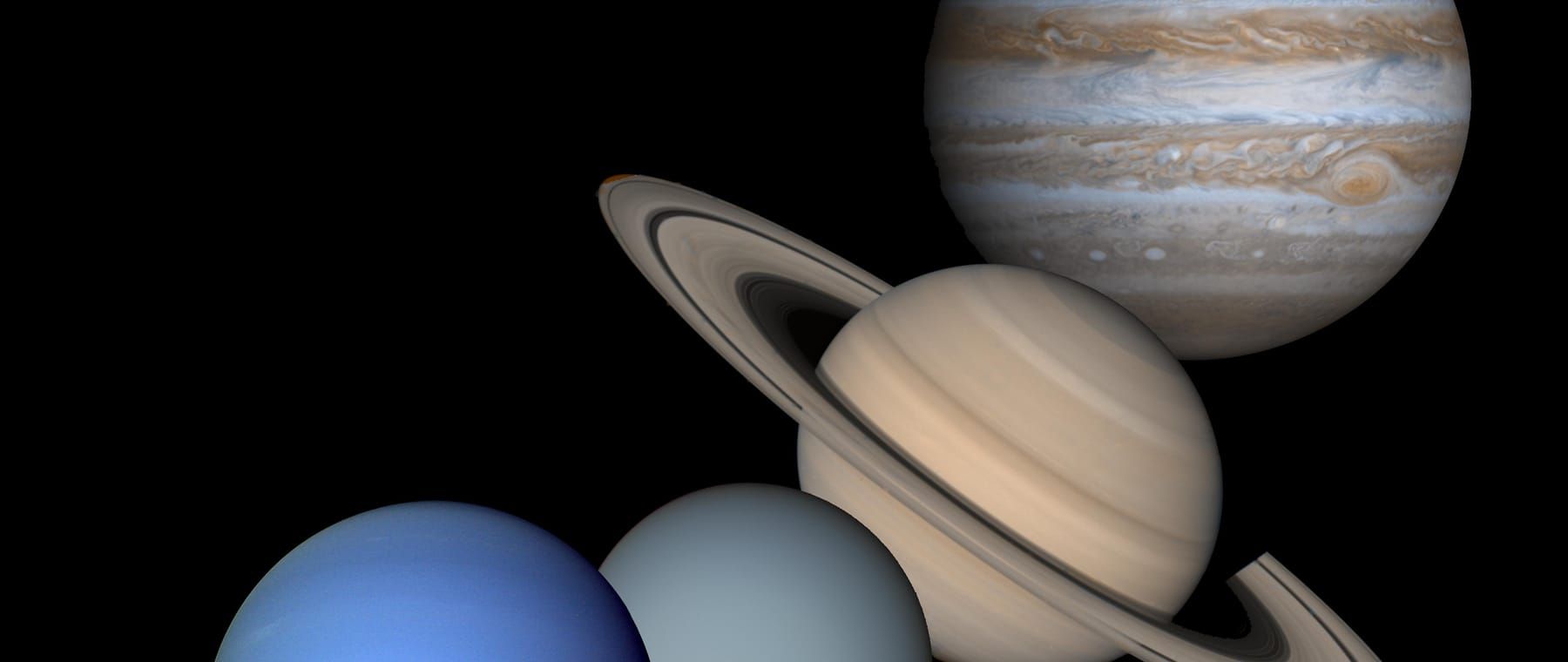
Planets visible tonight
Every planet’s position, best viewing time and brightness for tonight. Open a planet for its rise and set times, a 12-month outlook and coming events.
- Saturn Naked eye Best time 12:09 AM S, 51° Up from 6:59 PM to 5:19 AM
- Mars Naked eye Best time 6:29 AM SE, 59° Up from 2:09 AM to 6:29 AM
- Jupiter Naked eye Best time 6:29 AM ESE, 48° Up from 3:09 AM to 6:29 AM
- Uranus Binoculars Best time 3:39 AM S, 70° Up from 9:29 PM to 6:29 AM
- Neptune Telescope Best time 11:39 PM S, 49° Up from 6:49 PM to 4:39 AM
- Mercury Not visible
- Venus Not visible
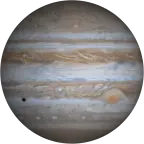
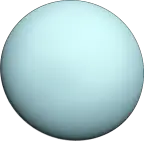
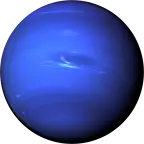
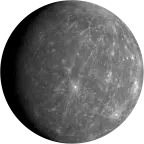
Visible means: at least 10° above the horizon while the Sun is at least 6° below it. Brightness then decides how to look: brighter than magnitude 5 with the eye alone, magnitude 5 to 7 with binoculars, fainter with a telescope.
Tonight at a glance
When each planet is up during the night, against the darkness of the sky and the Moon. Tap a planet for its page.
How big are the planets?
The eight planets drawn to the same scale. Tap one to compare it with the others.
Tap a world to compare it with the others. Sizes are to scale, the gaps between the worlds are not.
The Sun, the Moon and the planets
Size, distance and moons of every body in the Solar System with its own page. Open one for where it is tonight, a 3D view, photos and its history of exploration.
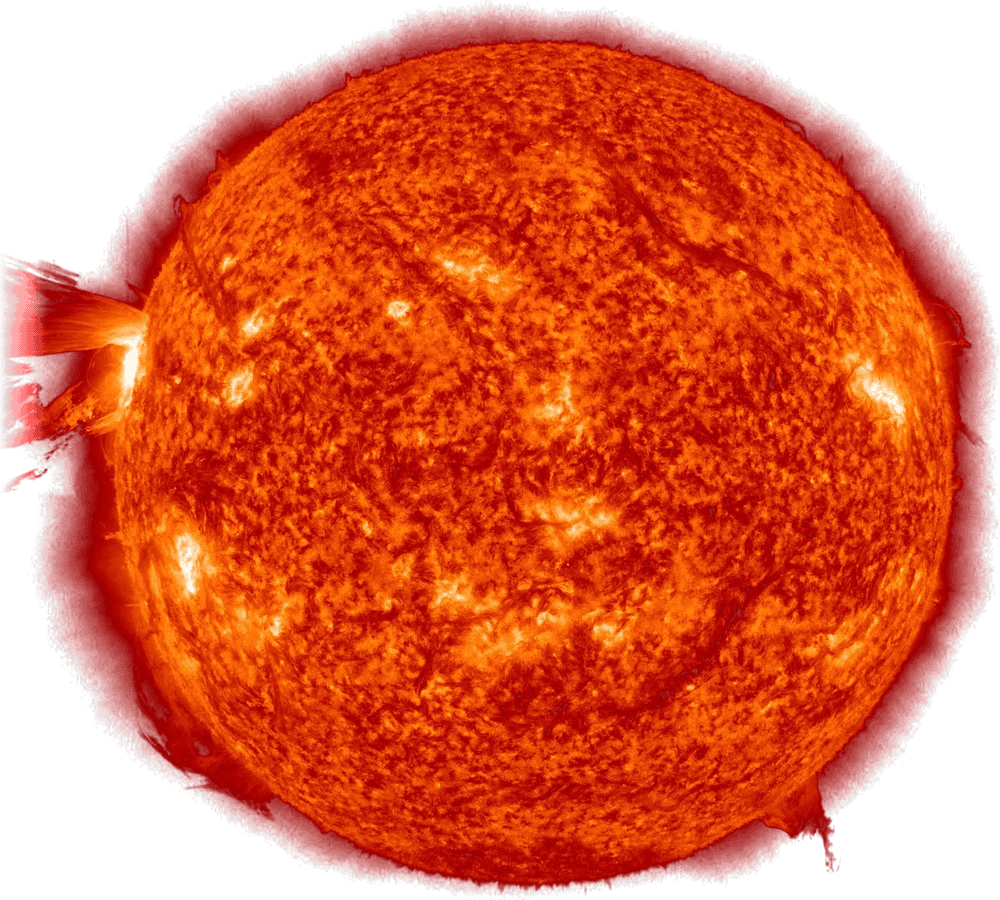
- Sun
- Diameter
- 1,391,400 km
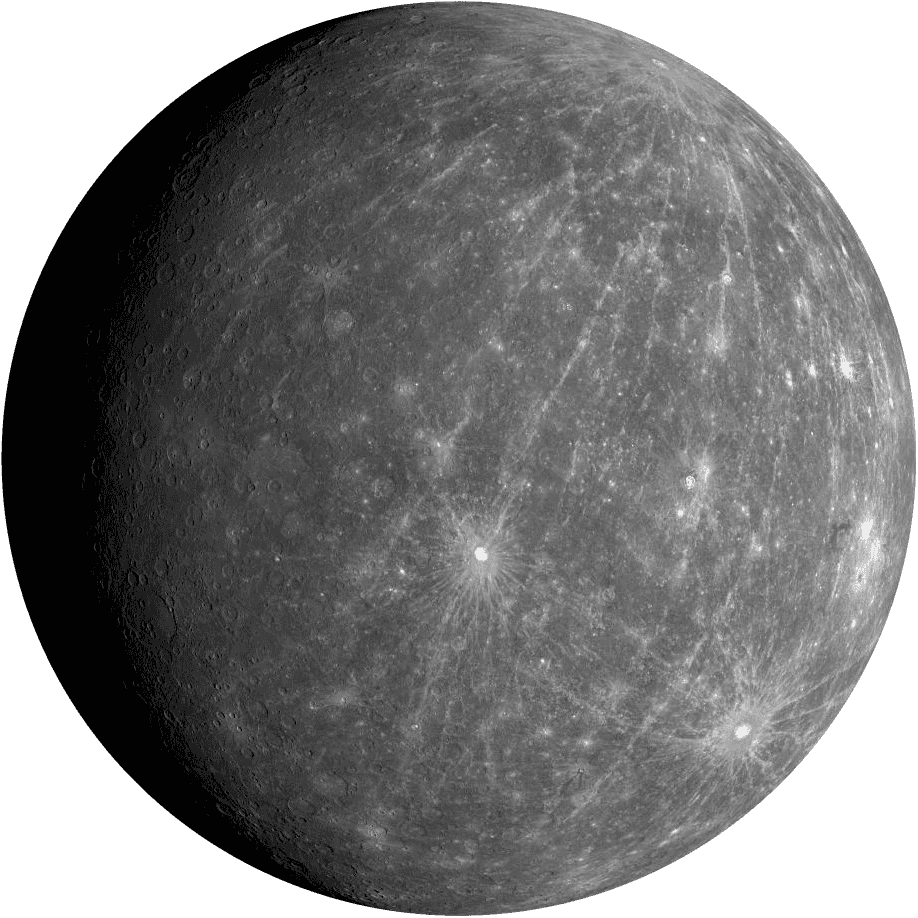
- Mercury
- Diameter
- 4,879 km
- Distance from the Sun
- 57.9 million km
- Orbital period
- 88 days
- Known moons
- 0
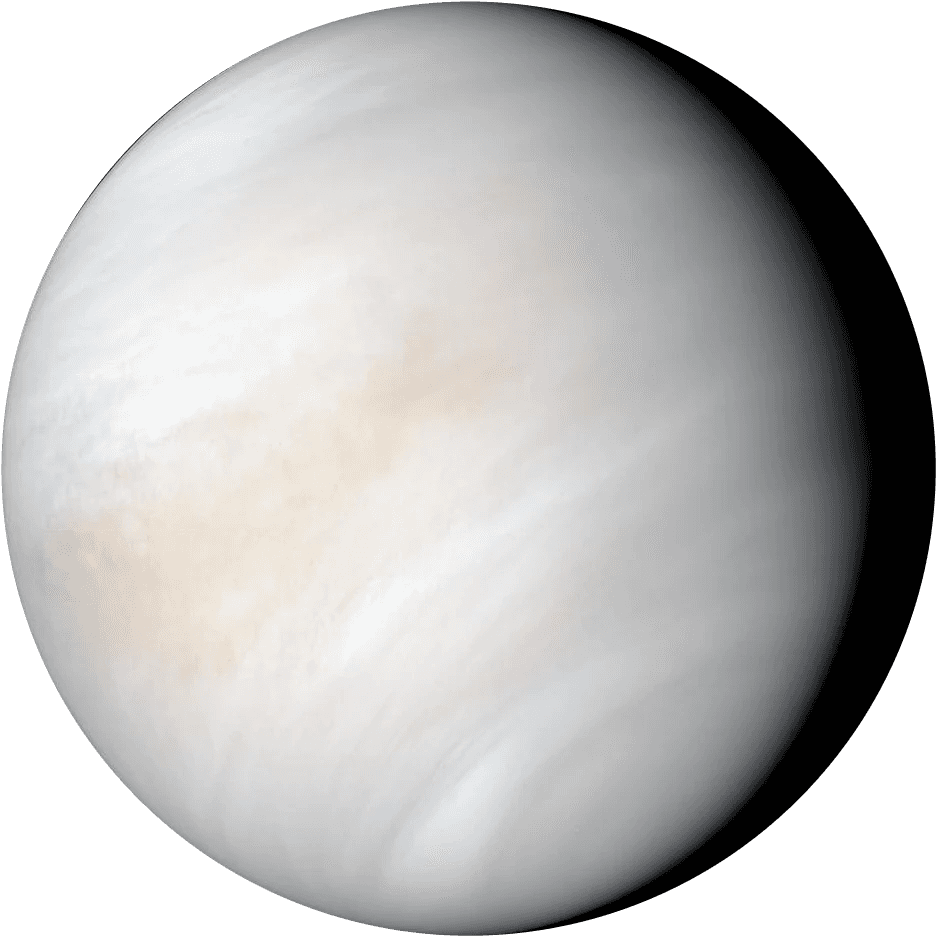
- Venus
- Diameter
- 12,104 km
- Distance from the Sun
- 108.2 million km
- Orbital period
- 224.7 days
- Known moons
- 0
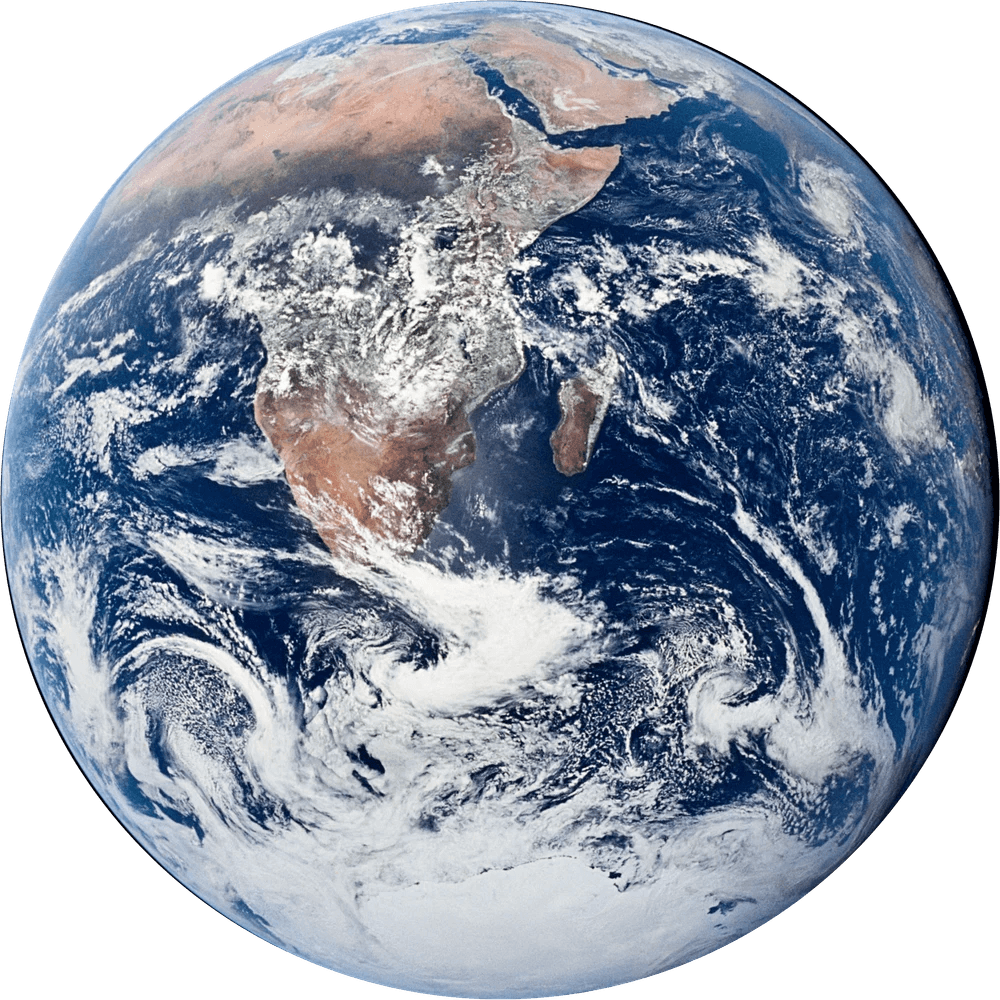
- Earth
- Diameter
- 12,756 km
- Distance from the Sun
- 149.6 million km
- Orbital period
- 365.2 days
- Known moons
- 1
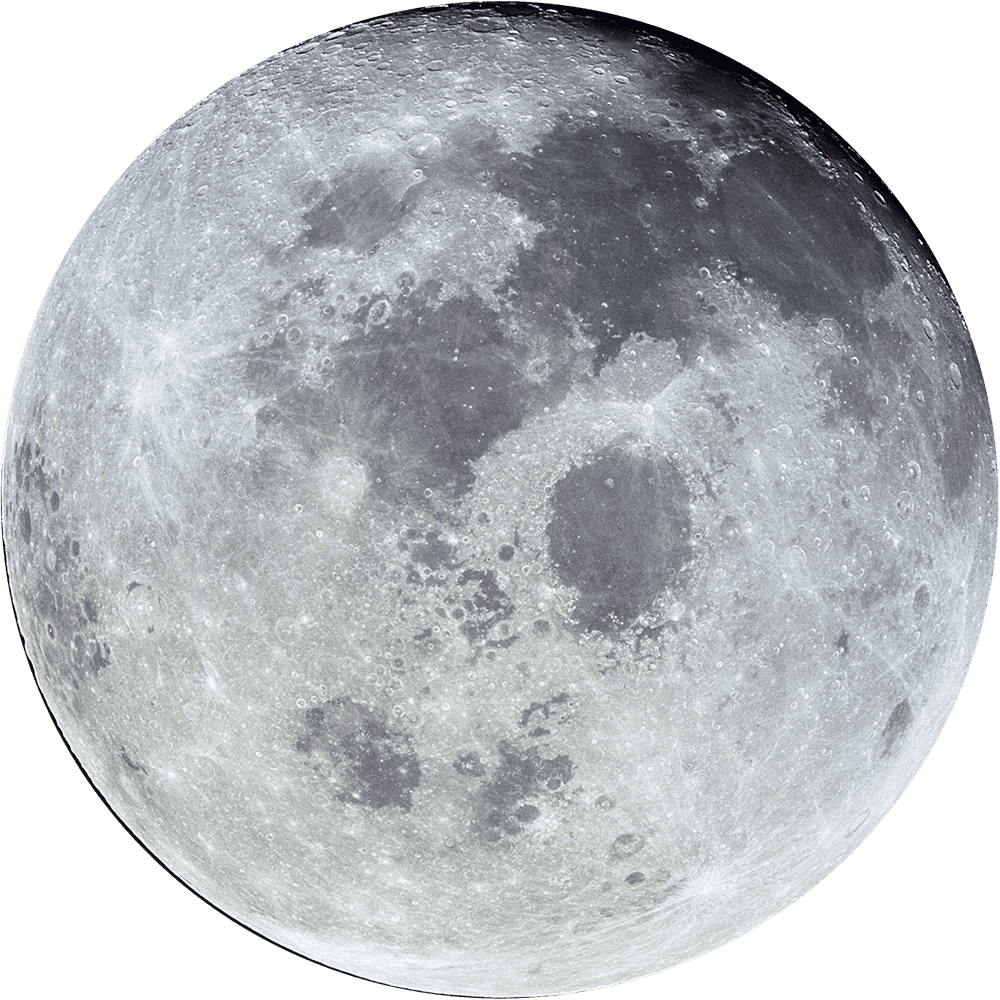
- Moon
- Diameter
- 3,475 km
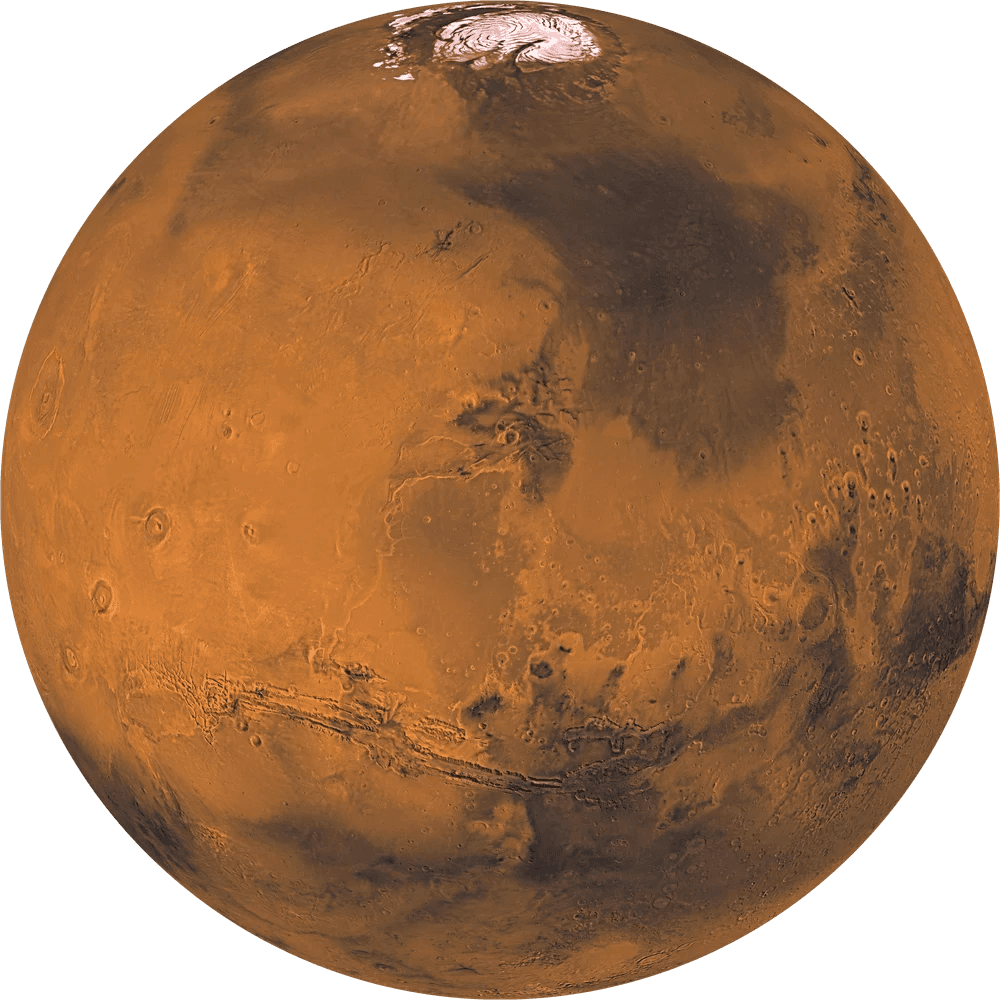
- Mars
- Diameter
- 6,792 km
- Distance from the Sun
- 228 million km
- Orbital period
- 687 days
- Known moons
- 2
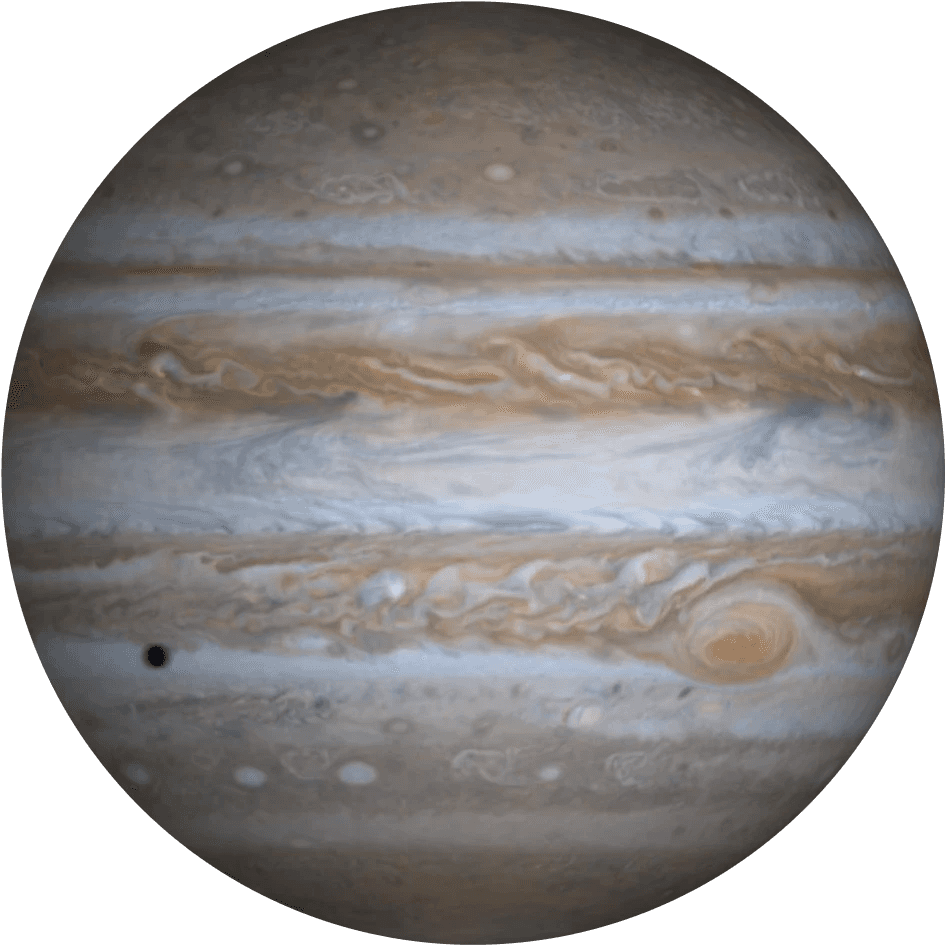
- Jupiter
- Diameter
- 142,984 km
- Distance from the Sun
- 778.5 million km
- Orbital period
- 4,331 days
- Known moons
- 115
- Saturn
- Diameter
- 120,536 km
- Distance from the Sun
- 1,432 million km
- Orbital period
- 10,747 days
- Known moons
- 293
- Uranus
- Diameter
- 51,118 km
- Distance from the Sun
- 2,867 million km
- Orbital period
- 30,589 days
- Known moons
- 29
- Neptune
- Diameter
- 49,528 km
- Distance from the Sun
- 4,515 million km
- Orbital period
- 59,800 days
- Known moons
- 16
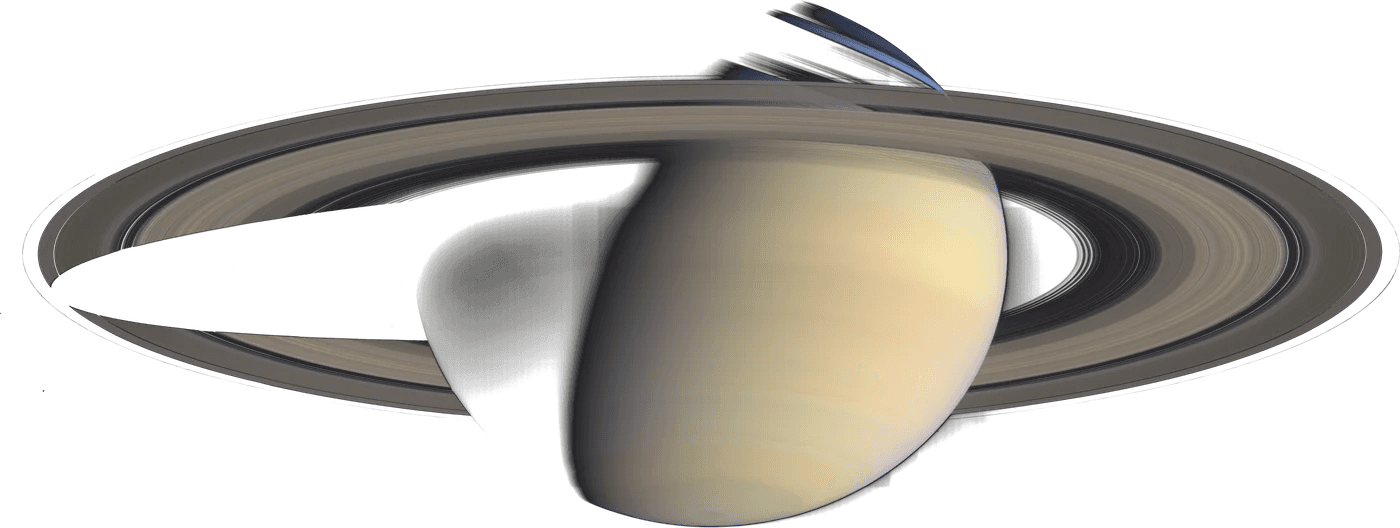
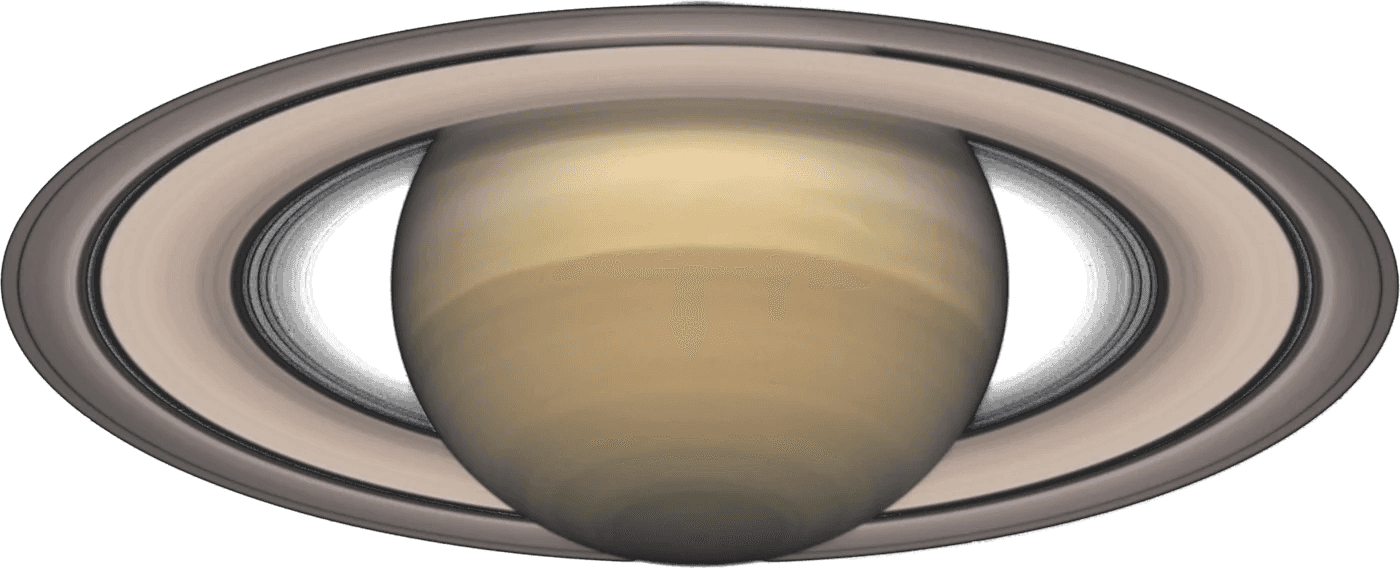
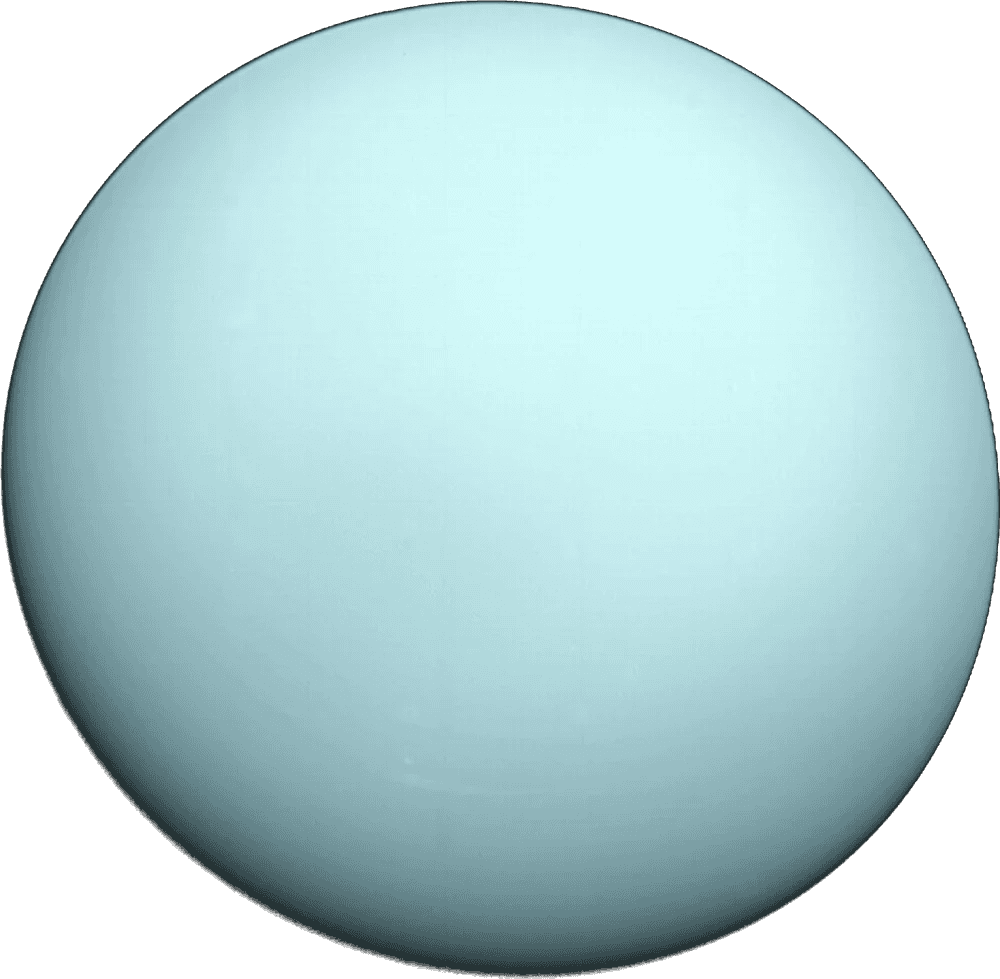
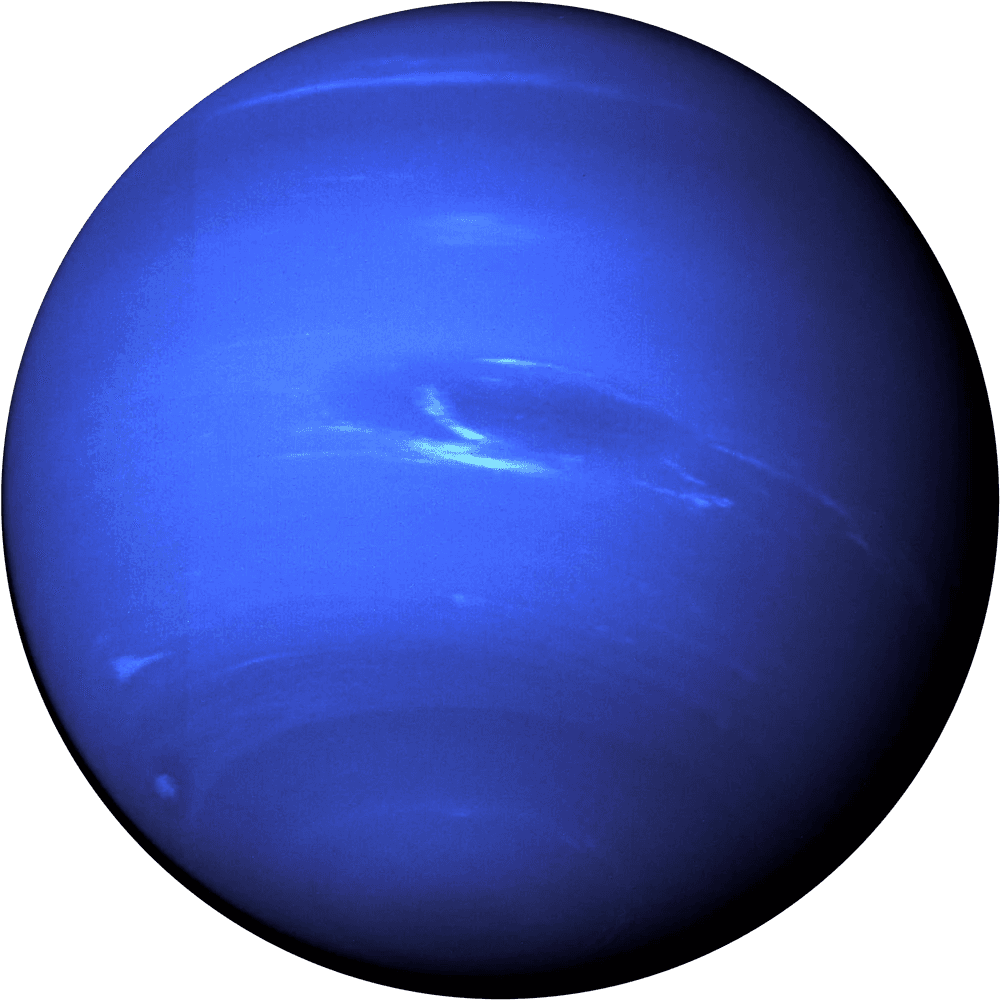
Source: NASA planetary fact sheet
How to use this page
Choose your place and a night: tonight by default, or a key date such as an opposition or a close pairing of two planets. Each card then shows whether the planet is up in a dark sky and how to see it, its best time with the direction and height on the small dial, and when it is up. Tap a card for the planet’s own page with its rise and set times, a 3D view and the year ahead.
What the numbers mean
- Best time
- When the planet is highest while the sky is dark enough, with the Sun at least 6° below the horizon.
- Direction and height
- The compass point and azimuth to face, and the angle above the horizon. On the dial north is up, and the dot sits nearer the centre the higher the planet is.
- Up from … to …
- The part of the night when the planet is at least 10° up in a dark sky.
- Magnitude
- Brightness: the smaller the number, the brighter. Venus can reach about −4.8, Neptune is fainter than 7.
- Constellation
- The constellation the planet is in, as seen from Earth.
How accurate it is
Positions come from Astronomy Engine. In our tests the positions of the Sun, the Moon and the planets agree with NASA JPL’s Horizons to within one arcminute. The night is sampled every 10 minutes, and times assume a flat horizon, so hills and buildings can hide a planet that is low. Methodology
Frequently asked questions
Which planets can I see without a telescope?
Mercury, Venus, Mars, Jupiter and Saturn are bright enough for the eye alone when they are up in a dark sky. Uranus is at the limit of the eye and easy in binoculars. Neptune needs binoculars or a telescope.
Why is a planet marked Not visible?
On that night it is never 10° above the horizon while the Sun is at least 6° below it. It is too close to the Sun in the sky, or it rises and sets in daylight. Mercury and Venus are often in this state because they never move far from the Sun.
How can I tell a planet from a star?
Planets shine with a steadier light than stars, which twinkle more, especially low in the sky. Over several nights a planet also moves slowly against the stars.
When is a planet best seen?
Around its best time on the card, when it is highest in a dark sky. Mars, Jupiter, Saturn, Uranus and Neptune are best around opposition, when they are closest to Earth and up all night.
Related guides
- How to find planets in the night skyFive planets are easy to see with the naked eye. Here is where to look, when, and how to recognise them.
- Opposition, conjunction and elongation explainedThree words from the planet calendar, and what they mean for when you can see each planet.
- Magnitude: how star brightness is measuredLower numbers mean brighter, and five magnitudes are a factor of 100 in brightness.
- Binoculars for stargazing: what to buy and what to look atA pair of 7x50 or 10x50 binoculars shows the craters of the Moon, the moons of Jupiter, dozens of star clusters and the Andromeda Galaxy, for a fraction of the cost of a telescope.
- Altitude and azimuth: finding things in the skyTwo angles tell you exactly where to look: which direction, and how high.
- Twilight and dark sky: civil, nautical and astronomicalThe sky is fully dark only when the Sun is more than 18° below the horizon. Here is what happens before that.